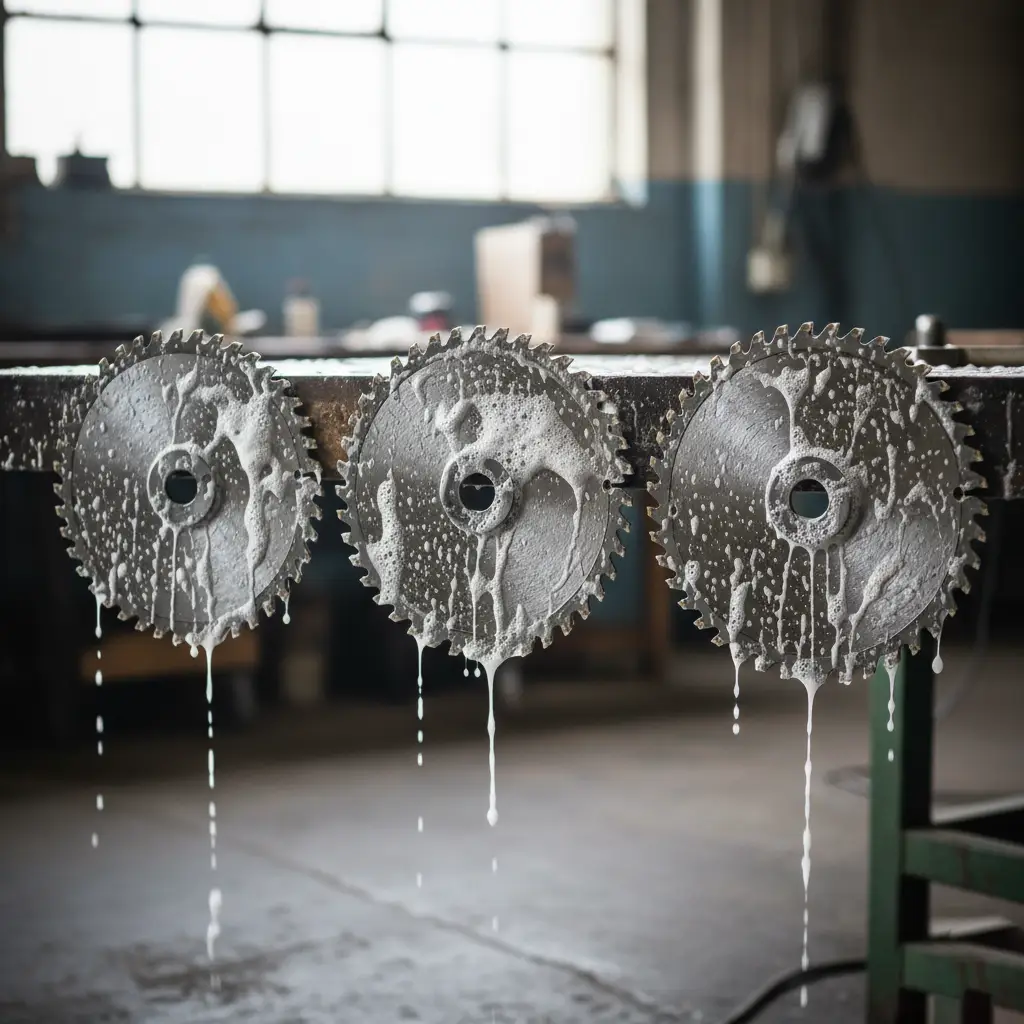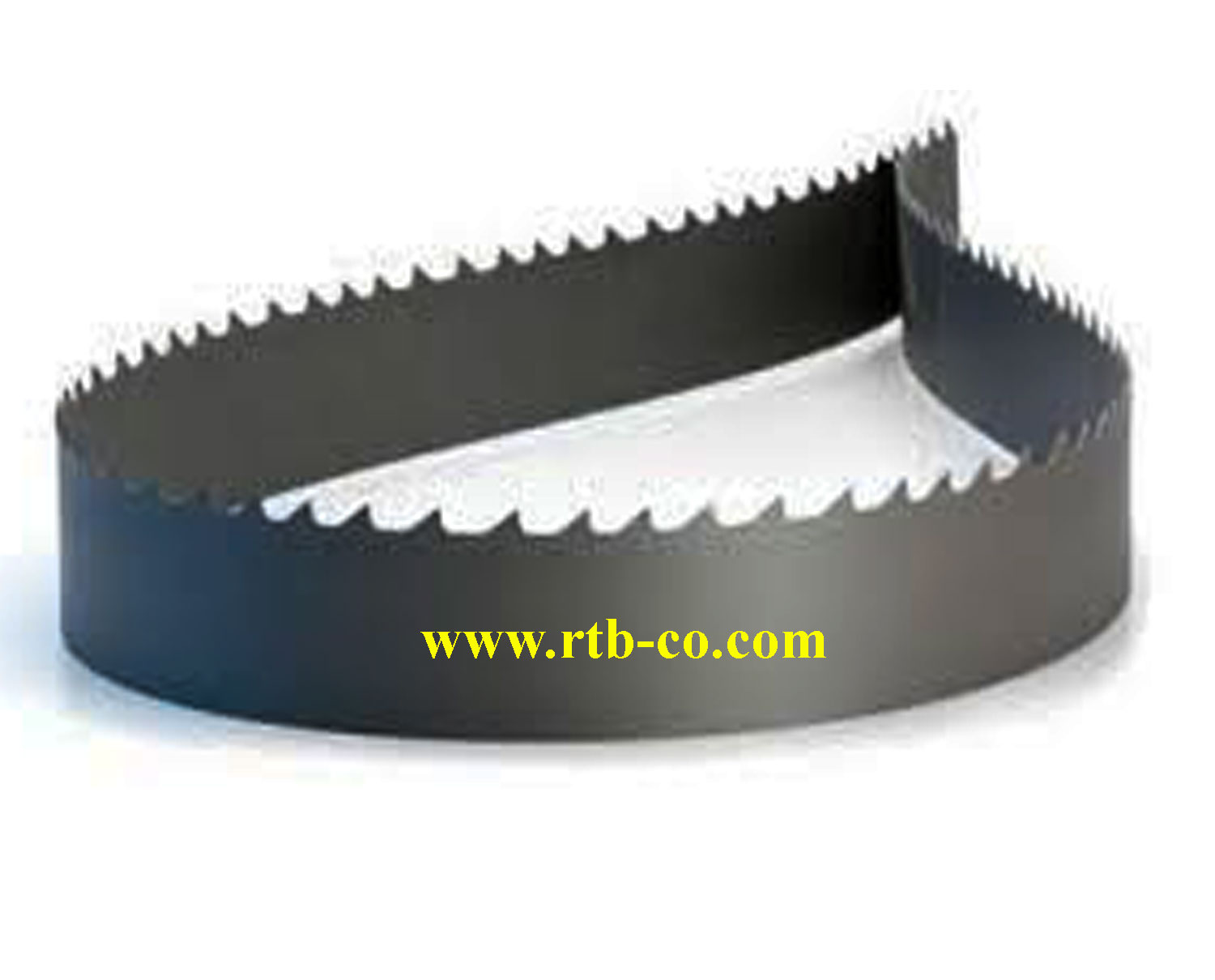

Circular saw blades are used for cutting iron materials and non-ferrous metals.
A circular saw blade is a circular rotary cutting tool mounted on machines such as cold saws, miter saws, table saws, and CNC machinery. Depending on tooth material, number of teeth, diameter, and coating type, these blades are used for cutting iron, steel, stainless steel, aluminum, profiles, and pipes. Choosing the right blade directly affects cutting quality, tool life, and operational safety.
RTB Company (Barman Tejarat Rayan), as a specialized industrial tool supplier, offers various circular saw blades made of Tungsten Carbide (Solid Carbide) and HSS with the highest material quality and manufacturing precision. (09009504022)
فهرست
- 1 Types of Industrial Circular Saw Blades
- 1.1 Iron-cutting circular saw blade
- 1.2 HSS circular saw blade (high-speed)
- 1.3 Metal-cutting circular saw blade
- 1.4 Aluminum-cutting circular saw blade
- 1.5 Stainless steel-cutting circular saw blade
- 1.6 Steel-cutting circular saw blade
- 1.7 Iron circular saw blade
- 1.8 Pipe and profile cutting circular saw blade
- 1.9 Coated circular saw blade
- 1.10 Tungsten carbide saw blade (Carbide)
- 1.11 Cold saw blade with cermet tip
- 1.12 Circular saw blade
- 2 Full Technical Specifications of Circular Saw Blades
Types of Industrial Circular Saw Blades
Iron-cutting circular saw blade
The iron-cutting circular saw blade is designed for cutting rebar, steel sheets, beams, angle irons, and hard iron parts. The blade teeth are made of HSS alloy or carbide with TiN coating to resist friction and high temperatures.
- Number of teeth: 30 to 60
- Diameter: 185 to 355 mm
- Permissible speed: 3500 to 5000 RPM
- Tooth material: HSS or Carbide
HSS circular saw blade (high-speed)
The HSS circular saw blade is made of High Speed Steel with high hardness. This type of blade is ideal for cold cutting metals, pipes, profiles, and medium steel sheets. The main advantage of HSS is the ability to be resharpened and its lower cost compared to carbide.
Main application: industrial cold saws, pipe and profile cutting in medium and heavy workshops
Metal-cutting circular saw blade
The metal-cutting circular saw blade covers a broader range of metals including iron, steel, aluminum, and various alloys. These blades are produced in two types: HSS and Carbide-Tipped, and are suitable for industrial and semi-industrial circular saw machines.
Aluminum-cutting circular saw blade
The aluminum-cutting circular saw blade is designed with a positive tooth angle (15 to 20 degrees) and a high number of teeth (80 to 120) to prevent chips from sticking to the blade. These blades are used in door and window manufacturing, aluminum profiles, and aerospace components.
Technical note: Using a special lubricant for aluminum can increase blade life by up to 40%.
Stainless steel-cutting circular saw blade
Cutting stainless steel due to its high hardness and toughness requires specialized blades. The stainless steel-cutting circular saw blade is made of Micro-Grain carbide and has a wear-resistant coating. Lower cutting speed and proper cooling are essential to increase blade life.
Steel-cutting circular saw blade
The steel-cutting circular saw blade is designed for cutting structural steels, tool steels, and hard alloys. These blades are usually produced in diameters from 250 to 500 mm and with TCG (Triple Chip Grind) teeth, which perform best on hard metals.
Iron circular saw blade
Circular saw blades specifically for cutting iron, using advanced alloys and tungsten carbide teeth, are an ideal choice for precise, fast, and high-quality cuts in various profiles and steel sections.
These tools, with engineered designs for reducing friction and dissipating heat, ensure a long service life and create burr-free, smooth, and polished edges on your workpieces. Using these blades not only significantly increases the efficiency of production lines and workshops, but also minimizes additional costs caused by post-cut finishing.
Pipe and profile cutting circular saw blade
Cutting pipes and profiles, due to changes in section thickness during the cut, requires a blade with finer teeth and an appropriate angle. Specialized pipe and profile blades with ATB or TCG teeth in diameters from 305 to 355 mm are the best option.
Suitable for: round pipe, square pipe, Z profile, U profile, channel
Coated circular saw blade
Coated blades are covered with layers such as TiN (Titanium Nitride), TiAlN, or TiCN. These coatings increase surface hardness, reduce friction, and increase blade life up to 3 times compared to uncoated blades.
Tungsten carbide saw blade (Carbide)
The tungsten carbide saw blade consists of individual cemented carbide teeth (WC-Co) mounted on a steel body. These blades have the longest service life and are ideal for industrial production lines with high cutting volumes.
Advantages over HSS:
- 5 to 10 times longer life
- Better cutting quality
- Suitable for harder metals
- Higher cutting speed
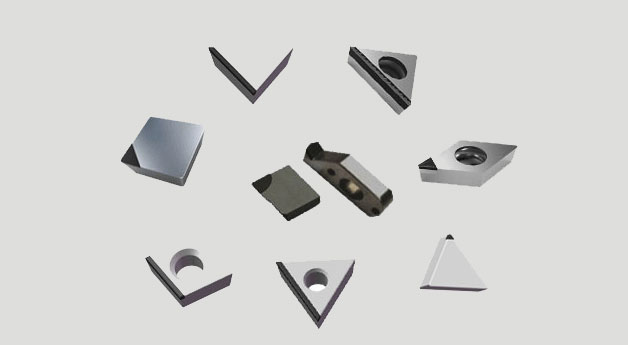
Cold saw blade with cermet tip
Cermet blades are a combination of ceramic and metal with very high heat resistance. These blades are used for cold cutting alloy steels, stainless steel, and hard metals in industrial production lines. Main advantages: very long life and excellent cutting quality without the need for continuous cooling.
Circular saw blade
A circular saw blade is a general term for all circular-shaped blades. These blades are produced in types such as metal-cutting, wood-cutting, stone-cutting, and construction-material cutting. Proper selection is based on the machine RPM, shaft diameter, and material type.
Full Technical Specifications of Circular Saw Blades
| Specification | Standard Range | Description |
|---|---|---|
| Blade diameter | 115 to 500 mm | Depending on machine type |
| Arbor diameter | 20 / 25.4 / 30 mm | Must match the machine |
| Number of teeth | 24 to 120 | Fewer = faster; more = more precise |
| Blade thickness (Kerf) | 1.8 to 4 mm | Thinner = less waste |
| Tooth material | HSS / Carbide / Cermet | Depending on material |
| Tooth type | ATB / TCG / FTG / ATBR | Depending on application |
| Permissible speed | 3000 to 6000 RPM | Must be observed |
| Resharpening capability | Yes (HSS and Carbide) | Cost saving |
Difference between BR and BW teeth in circular saw blades
These two types of teeth are the most common types in industrial circular saw blades:
BW (Bevel Width / Alternate Bevel) teeth:
The teeth are angled left and right alternately
For clean and polished cuts on softer metals such as aluminum and copper
Reduces burr on the cutting edge
Suitable for aluminum profiles and thin pipes
BR (Bevel Right / Triple Chip – TCG) teeth:
A flat tooth and a chamfered tooth alternately
For cutting harder metals such as steel, stainless steel and hard alloys
More resistance to tooth breakage
Suitable for pipes, steel profiles and brittle metals
Diamond (tungsten carbide) circular saw blade
BW BR (TCG) feature
Main application Aluminum, copper, soft metals Steel, stainless steel, metals Hard
Very clean cutting quality Clean with high strength
Medium high tooth life
Suitable for aluminum profile, thin tube, steel tube, hard profile
Guide to selecting a circular saw blade based on material
Material Blade type Number of teeth Tooth type
Iron and structural steel HSS or Carbide Iron cutting 30–60 TCG / BR
Stainless steel Carbide Micro-Grain 60–80 TCG
Aluminum Carbide Aluminum cutting 80–120 BW / ATB
Steel pipe and profile HSS or Carbide 40–80 TCG / BR
Coated hard steel Carbide 40–60 TCG
Aluminum profile Carbide 80–100 BW
Steel and steel cutting circular saw blades
Difference between metal cutting and iron cutting saw blades
These two terms are often used interchangeably, but there are some differences:
Iron cutting saw blade: more specialized, for iron, rebar and structural steel; More impact-resistant teeth with a neutral or negative angle
Metal cutting saw blade: More general, covers a wider range of metals including aluminum, copper and alloys
Key difference: Tooth angle; a metal cutting blade has a neutral or negative angle to prevent snagging, a metal cutting blade has a more positive angle
Disc saw blade price
Disc saw blade price depends on the following factors:
1. Tooth material:
HSS: Most economical option, suitable for light to medium workshops
Carbide-Tipped: Medium price, best quality/cost balance
Full Carbide / Cermet: Most expensive, suitable for heavy industrial production lines
2. Blade diameter: Larger blades (355 to 500 mm) cost more.
3. Brand and country of manufacture: European (German, Italian) and Japanese brands are more expensive than Chinese products but last longer.
4. Type of coating: TiAlN or TiCN coated blades are more expensive than uncoated blades.
5. Number of teeth: Blades with more teeth are more expensive due to the complexity of manufacturing.
For the current price of a circular saw blade and free expert advice, contact our experts: 09009504022
Guide to selecting and maintaining a circular saw blade
Guide to buying a circular saw blade
Before buying, check these things:
1. Compatibility with the machine
The blade diameter and shaft diameter (center hole) must match your machine exactly. The allowed speed of the blade (RPM) must not be less than the maximum speed of the machine.
2. Type of material
Never use a wood cutting blade for metal. Each material requires its own specialized blade.
3. Required cutting quality
Rough and fast cutting → fewer teeth (24–40)
Precise and polished cutting → more teeth (80–120)
4. Work volume
For heavy and continuous work, choose TiAlN or TiCN coated carbide blades. For light and intermittent work, HSS is sufficient.
5. Bulk purchase of circular saw blades
To purchase circular saw blades in bulk with special discounts and shipping nationwide, call for wholesale price inquiry: 09009504022
6. Online sale of circular saw blades
All products are offered with a guarantee of authenticity, official invoice, and shipping nationwide. Online consultation is also available before purchase.
How to increase the life of a circular saw blade
1. Correct speed: Always work within the recommended RPM range — excessive speed will cause the teeth to overheat and crack
2. Cooling: Use lubricant or coolant to cut heavy metals
3. Uniform pressure: Excessive pressure will damage the blade; let the blade cut itself
4. Proper maintenance: Store the blade in a dry and moisture-free environment
5. Timely sharpening: Sharpen a dull blade sooner. Working with a dull blade will also damage the machine’s motor
6. Cleaning: Remove chips from the teeth after each use
Frequently asked questions about circular saw blades
What is an HSS circular saw blade and how is it different from Carbide?
HSS (High Speed Steel) is made of solid high-speed steel and can be resharpened. Carbide is made of individual tungsten carbide teeth on a steel body and has a lifespan of 5 to 10 times longer but is more expensive. Carbide is recommended for heavy and continuous work, HSS for lighter work.
How do I know when my blade needs to be replaced?
Symptoms: Poor cutting quality, rough edges, overheating, unusual noises when cutting, or visible broken teeth.
Can you cut both iron and aluminum with the same blade?
No. Iron and aluminum blades have different tooth angles. Using an iron blade for aluminum will cause chips to stick and damage the blade.
What is the best circular saw blade for cutting metal profiles?
Carbide blades with TCG teeth in a diameter of 305 or 355 mm and a tooth count of 60 to 80 work best for metal profiles.
What is the difference between BW and BR teeth?
BW (Alternate Bevel) is suitable for soft metals such as aluminum and copper with a cleaner cut. BR or TCG (Triple Chip Grind) is designed for hard metals such as steel and stainless steel with greater resistance to tooth breakage.
Cheap or expensive circular saw blades? Which is better?
For light, intermittent work, a lower-priced HSS blade is sufficient. For Heavy industry, investing in a higher-priced Carbide blade is more cost-effective in the long run because it has a longer lifespan.
Circular saw blade dealer in Tehran and other cities?
For information on sales agents and terms of cooperation, call 09009504022.
What is the current price of a circular saw blade?
The price of a circular saw blade varies depending on the type of tooth, diameter, number of teeth, and brand. To receive the current price, call 09009504022.